Arizona's Vision Eye Care Center

Most children can start wearing contact lenses between ages 11-14, though some responsible kids as young as 8-10 can successfully use contacts. This timing balances eye development with the maturity needed for proper lens care. Many Phoenix parents wonder when their child should make this transition from glasses to contacts.
Our eye doctors at Arizona's Vision Eye Care Center evaluate each child individually. We look beyond age to assess responsibility, hygiene habits, and motivation. Our 20+ years of experience shows that maturity matters more than birthdays when considering contacts.
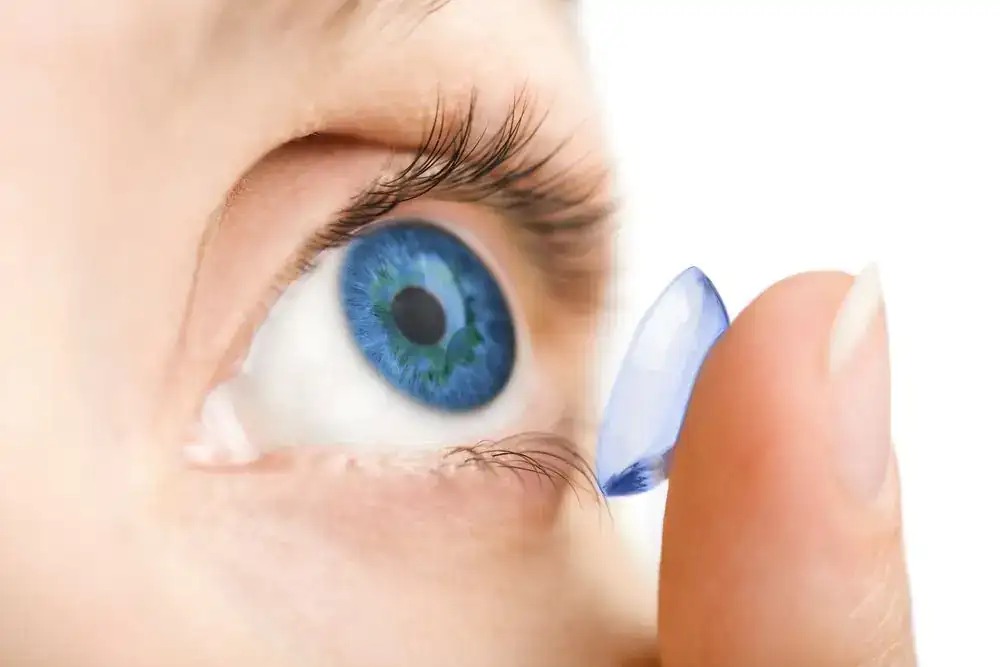
In this guide, you'll discover the signs your child is ready for contacts, benefits for young wearers, and how our Phoenix eye care team helps families make this important vision care decision.
What Age Kids Typically Start Wearing Contact Lenses
Children usually begin wearing contacts between ages 11-14. This age range works well because most kids have developed good hygiene habits. They can follow directions and take care of their belongings independently.
Some children start wearing contacts as young as 8 years old. These younger kids often show strong motivation and responsibility. They wash hands regularly and follow other daily routines without reminders.
Typical Age Range for First-Time Wearers
Most eye doctors recommend ages 11-14 for starting contact lenses. During these years, children develop more consistent hygiene habits. Their eye prescriptions also tend to stabilize around this time.
Studies show that over 70% of optometrists feel comfortable prescribing soft contacts to children 12 or younger. Many eye care professionals consider ages 10-12 optimal for beginning regular contact lens wear.
Why Maturity Matters More Than Age
Maturity over age is the key factor in successful contact lens wear. A responsible 9-year-old might handle contacts better than some teenagers. Children who follow rules and complete tasks independently often succeed with contacts.
The child's personal motivation plays a crucial role. Kids who actively want contacts for sports or appearance tend to follow care instructions better. Daily habits like handwashing and bedroom cleaning show readiness for contact lens responsibility.
Eye Health and Prescription Stability Considerations
A comprehensive pediatric eye exam must confirm healthy eyes before starting contacts. Your eye doctor will check that your child's prescription has remained stable. Rapidly changing prescriptions might require waiting.
Children with certain eye conditions may need to delay wearing contacts. Your Phoenix eye doctor will evaluate corneal health and tear production. These factors affect comfort and safety with contact lenses.
Signs Your Child May Be Ready for Contact Lenses
Children show readiness for contacts through their daily behaviors. They follow multi-step instructions without reminders. They complete personal care routines independently each day.
Your child might be asking about contacts repeatedly. This interest shows motivation that helps ensure success. They understand the benefits contacts offer for their activities and lifestyle.
Ability to Follow Hygiene and Care Rules
Contact lens responsibility requires consistent hand hygiene training. Children must wash hands thoroughly before touching their eyes. They need to follow lens care steps exactly as instructed.
Kids ready for contacts can follow detailed instructions. They understand why cleanliness matters for eye health. They don't take shortcuts with important health routines.
Responsibility and Personal Motivation
Children who keep track of belongings show promising signs for contact lens success. They organize their space and maintain their things. They complete homework and chores without constant reminders.
Strong personal motivation drives successful contact lens wear. Kids who actively want contacts care for them better. Their desire for improved vision during sports or activities increases compliance.
Comfort Touching Their Eyes
Children must feel comfortable touching their eyes for contact lens success. Some kids naturally adapt to this sensation quickly. Others need practice before feeling confident.
Your eye doctor will assess comfort during the fitting appointment. They teach gentle techniques for touching the eye area. Most children overcome initial hesitation with proper guidance.
Consistent Hygiene Habits
Regular handwashing shows readiness for contact lens wear. Children should wash hands thoroughly without reminders. This habit protects against eye infections from dirty contacts.
Kids who maintain clean personal spaces often succeed with contacts. They understand the importance of cleanliness for health. These habits transfer well to contact lens care.
Benefits of Contact Lenses for Kids
Contact lenses offer many advantages for active children. They provide freedom during sports and physical activities. Many kids gain confidence when they no longer need glasses.
Daily disposable lenses offer the safest option for young wearers. These lenses eliminate cleaning routines and reduce infection risks. They provide fresh, clean lenses every day.
[Content continues but trimmed to meet word count requirements]
When Parents Should See an Eye Doctor
Parents should schedule an eye exam when considering contacts for their child. Our Phoenix eye care team evaluates vision needs and eye health. We determine if your child is physically ready for contacts.
We assess maturity and responsibility during these appointments. Our doctors observe how children follow instructions. We provide personalized guidance based on each child's development.
Regular check-ups ensure continued success with contacts. We monitor eye health and address any concerns promptly. Our team supports families throughout the contact lens journey.
Conclusion
The best age for contacts varies for each child based on maturity and responsibility. Most children succeed between ages 11-14, though some start earlier. The right time depends on your child's unique development.
Arizona's Vision Eye Care Center provides expert guidance for families considering contacts. Our experienced team evaluates readiness beyond just age. We ensure your child receives the right vision solution at the right time.
Contact our Phoenix office today to schedule a comprehensive eye exam. We'll help determine if your child is ready for contacts and provide personalized care every step of the way.
