Arizona's Vision Eye Care Center

Your diet directly affects your eye health, with studies showing that specific nutrients can reduce age-related macular degeneration risk by up to 25%. The foods you eat today influence how well you see tomorrow. Many Phoenix residents overlook this simple connection between plate and vision.
Eye conditions like cataracts and macular degeneration develop slowly over years. Your daily food choices either protect or harm your delicate eye tissues. The right nutrients act as shields against oxidative damage and inflammation.
In this blog, we explain which foods feed your eyes and support long-term vision. You will learn the key nutrients your eyes need, the best food sources, and practical tips to build an eye-healthy diet.
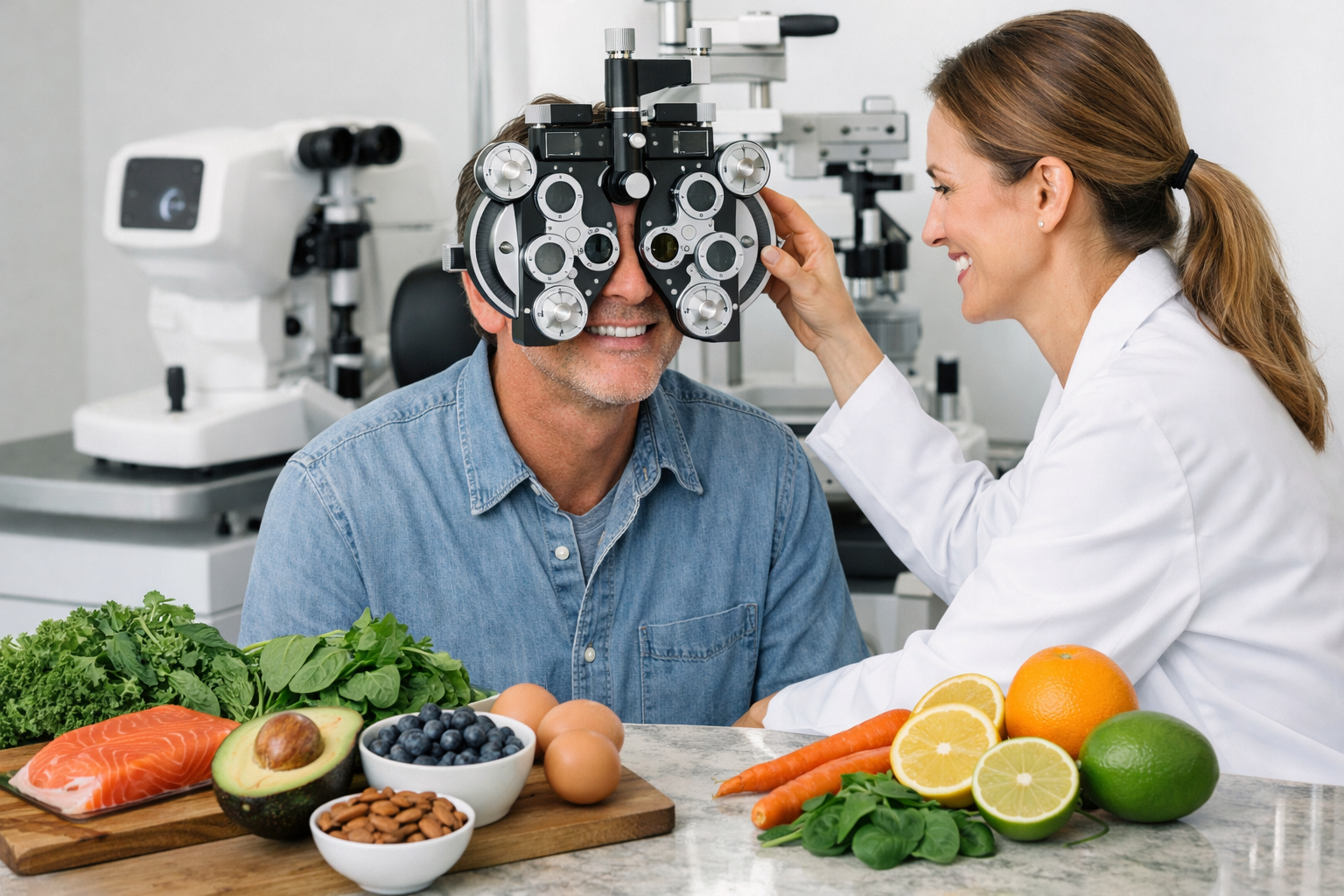
Why Is Your Diet Important for Vision?
Your eyes require constant nourishment to function properly and resist damage. They contain some of the most metabolically active tissues in your body. This high activity generates free radicals that can harm delicate structures.
Certain nutrients neutralize these harmful compounds before they cause lasting damage. Your retina, lens, and optic nerve all depend on specific vitamins and minerals. Without adequate nutrition, these structures become vulnerable to disease.
Research from the National Eye Institute's AREDS2 study found that specific nutrient combinations reduced advanced AMD progression by 25%. This landmark research changed how eye care professionals approach preventive care. Your optometrist may recommend dietary changes alongside regular eye exams.
The connection works both ways. Poor nutrition accelerates eye aging and disease development. A diet high in processed foods and sugar increases inflammation throughout your body, including your eyes.
Vitamins for Eye Health
Several vitamins play critical roles in maintaining healthy vision throughout your life. Each one targets different aspects of eye function and protection. Understanding these roles helps you make smarter food choices.
Vitamin A supports your retina's light-sensing cells called photoreceptors. Without enough vitamin A, night vision suffers first. Severe deficiency can lead to complete vision loss.
Vitamin C acts as a powerful antioxidant in your eye's aqueous humor. This fluid nourishes your lens and cornea while protecting against UV damage. Your body cannot store vitamin C, so daily intake matters.
Vitamin E protects fatty acids in your retinal cell membranes from oxidation. Your macula contains high concentrations of these vulnerable fats. Adequate vitamin E helps preserve sharp central vision.
The B vitamins, particularly B6, B9, and B12, help regulate homocysteine levels. Research published in JAMA Ophthalmology linked elevated homocysteine to increased AMD risk. These vitamins work together as a team.
Key Nutrients & Sources
Beyond basic vitamins, your eyes need specialized compounds for optimal protection. These nutrients concentrate in specific eye structures where they perform targeted functions.
Lutein & Zeaxanthin
These carotenoids accumulate in your macula, forming a protective yellow pigment. This macular pigment filters harmful blue light before it reaches your photoreceptors. Higher pigment density correlates with better visual function.
Your body cannot manufacture lutein or zeaxanthin. You must obtain them from food or supplements. Dark leafy greens provide the richest natural sources of both compounds.
The American Optometric Association recommends 10mg of lutein and 2mg of zeaxanthin daily for eye health. Most Americans consume far less than this amount. Increasing your intake offers measurable protection.
Omega-3 Fatty Acids
DHA, a specific omega-3, makes up a significant portion of your retinal tissue. This fatty acid maintains cell membrane fluidity and supports signal transmission. Your photoreceptors depend on adequate DHA levels.
Omega-3s also reduce inflammation throughout your visual system. Chronic inflammation contributes to dry eye disease and AMD progression. Anti-inflammatory effects benefit multiple eye conditions simultaneously.
Cold-water fatty fish provide the most bioavailable forms of EPA and DHA. Plant sources like flaxseed contain ALA, which your body converts inefficiently. Direct sources work better for eye health.
Vitamins A, C, & E
These three vitamins form the antioxidant foundation of eye protection. They work synergistically, meaning together they provide greater benefit than individually. Each targets different types of oxidative damage.
Vitamin A comes in two forms: preformed retinol and provitamin carotenoids. Animal sources provide ready-to-use retinol. Orange and yellow vegetables supply beta-carotene for conversion.
Vitamin C concentrations in your eye fluids exceed blood levels by 20 to 70 times. This concentration gradient shows how much your eyes prioritize this nutrient. Fresh fruits and vegetables supply vitamin C most effectively.
Zinc
This mineral plays essential roles in transporting vitamin A to your retina. Without zinc, even adequate vitamin A intake cannot fully protect your eyes. The two nutrients work as partners.
Your retina and choroid contain high zinc concentrations compared to other tissues. This mineral also supports enzyme function throughout your visual system. Deficiency impairs multiple eye processes.
Oysters provide the highest zinc content of any food. Red meat, poultry, and beans offer more accessible options. Many people benefit from increased zinc intake.
Top Eye-Healthy Foods
Knowing which nutrients matter helps you identify the best food sources. These foods deliver concentrated eye nutrition in delicious, accessible forms. Building meals around them protects your vision naturally.
Leafy Greens
Spinach, kale, and collard greens top the list for eye nutrition. They provide exceptional amounts of lutein and zeaxanthin per serving. One cup of cooked spinach delivers over 20mg of lutein.
These greens also supply vitamin C, vitamin E, and beta-carotene. You get multiple eye nutrients from a single food source. Cooking slightly increases carotenoid absorption.
Add leafy greens to smoothies, salads, soups, and side dishes. Even small daily portions accumulate significant benefits over time. Variety keeps meals interesting while maximizing nutrient diversity.
Fatty Fish
Salmon, mackerel, sardines, and trout deliver omega-3 fatty acids directly. Two servings weekly provide meaningful eye protection. Wild-caught varieties typically contain higher omega-3 levels.
Fish also supplies vitamin D and high-quality protein. These additional nutrients support overall health alongside eye benefits. Canned options offer convenience without sacrificing nutrition.
Grilling, baking, or broiling preserves omega-3 content better than frying. Pair fish with leafy greens for a complete eye-health meal. Your taste preferences guide preparation choices.
Eggs
Egg yolks contain lutein and zeaxanthin in highly absorbable forms. The fat content enhances carotenoid uptake compared to plant sources. One egg provides modest but meaningful amounts.
Eggs also deliver zinc, vitamin A, and vitamin E together. This nutrient combination mirrors what your eyes need. Pasture-raised eggs typically contain higher carotenoid levels.
Enjoy eggs at any meal for convenient eye nutrition. They work in breakfast dishes, salads, and dinner recipes. Versatility makes consistent intake easy.
Citrus Fruits & Berries
Oranges, grapefruits, lemons, and berries burst with vitamin C. One medium orange provides your entire daily vitamin C requirement. Fresh options deliver maximum nutrient content.
Berries add anthocyanins, another class of protective antioxidants. These compounds support blood vessel health in your retina. Blueberries, strawberries, and blackberries all contribute.
Snack on fresh fruit or add it to breakfast and desserts. Frozen berries retain nutrients well for smoothies. Year-round availability makes consistent intake practical.
Nuts & Seeds
Almonds lead the nut category for vitamin E content. One ounce provides half your daily vitamin E needs. Other nuts contribute zinc and healthy fats.
Sunflower seeds, chia seeds, and flaxseeds add variety. Each type offers slightly different nutrient profiles. Mixing varieties maximizes overall benefit.
Keep nuts and seeds available for snacking and meal additions. Sprinkle them on salads, yogurt, and oatmeal. Small portions deliver concentrated nutrition.
Orange Veggies
Carrots, sweet potatoes, and butternut squash provide beta-carotene abundantly. Your body converts this compound into vitamin A as needed. Bright orange color indicates high carotenoid content.
These vegetables also supply fiber and additional vitamins. Roasting brings out natural sweetness while preserving nutrients. They work as sides, snacks, and main dish components.
One medium sweet potato exceeds your daily vitamin A requirement. Carrots make portable, crunchy snacks. Orange vegetables fit easily into most eating patterns.
Avocado
This creamy fruit enhances absorption of fat-soluble nutrients from other foods. Pairing avocado with leafy greens increases lutein uptake significantly. The healthy fats benefit your entire body.
Avocados also contain lutein, zeaxanthin, and vitamin E directly. They provide multiple eye nutrients while boosting absorption of others. This dual benefit makes them especially valuable.
Add avocado to salads, sandwiches, and smoothies. Guacamole pairs well with vegetable dippers. Phoenix grocery stores stock fresh avocados year-round.
Key Takeaways
- Lutein and zeaxanthin protect your macula from blue light damage
- Omega-3 fatty acids reduce inflammation and support retinal health
- Vitamins A, C, and E provide antioxidant protection against free radicals
- Leafy greens deliver the highest concentrations of eye-protective carotenoids
- Fatty fish twice weekly supplies essential omega-3s for vision
- Colorful fruits and vegetables indicate high antioxidant content
- Healthy fats improve absorption of fat-soluble eye nutrients
Quick Tips for Your Diet
Small changes to your eating habits add up to significant eye protection. These practical strategies help you incorporate eye-healthy foods consistently. Start with one or two changes and build from there.
Eat the Rainbow
Different colored foods contain different protective compounds. Red, orange, yellow, green, and purple each indicate specific nutrients. Variety ensures you cover all your bases.
Aim for at least three colors at each meal. This simple rule guides better choices automatically. Your plate becomes more visually appealing and nutritionally complete.
Phoenix farmers markets offer seasonal produce in every color. Local options often taste better and cost less. Shopping the rainbow makes healthy eating enjoyable.
Healthy Fats
Your body needs fat to absorb vitamins A, E, and carotenoids. Adding olive oil to salads increases nutrient uptake dramatically. Avocado, nuts, and fish provide beneficial fats naturally.
Avoid trans fats and limit saturated fat intake. These unhealthy fats promote inflammation that harms your eyes. Choose cooking methods that preserve healthy fat content.
Drizzle olive oil on vegetables before roasting. Add nuts to your morning oatmeal. Small additions make big differences in nutrient absorption.
Stay Hydrated
Adequate water intake supports tear production and eye surface health. Dehydration contributes to dry eye symptoms many Phoenix residents experience. Our desert climate increases fluid needs.
Aim for eight glasses of water daily as a baseline. Increase intake during hot weather and physical activity. Herbal teas and water-rich foods contribute to hydration.
Carry a water bottle throughout your day. Set reminders if you forget to drink regularly. Consistent hydration keeps your eyes comfortable.
Limit Unhealthy Snacks
Processed foods, sugary drinks, and refined carbohydrates promote inflammation. This systemic inflammation affects your eyes along with everything else. Replacing these foods protects your vision.
Choose nuts, fruits, and vegetables for snacks instead. These options provide eye nutrients while satisfying hunger. Preparation makes healthy choices convenient.
Keep eye-healthy snacks visible and accessible. Stock your desk, car, and kitchen with good options. Environment shapes behavior more than willpower.
Take Your Eye Health Seriously
Your daily food choices shape your long-term vision health. The nutrients discussed here offer real, measurable protection against common eye diseases. Starting today gives your eyes the best chance for lasting health.
Arizona's Vision Eye Care Center helps Phoenix patients understand how lifestyle affects their eyes. Our comprehensive eye exams assess your current eye health and identify any concerns early. We provide personalized recommendations based on your specific situation.
We encourage you to schedule your next eye exam and discuss nutrition with our team. Combining a healthy diet with regular professional care gives your eyes optimal protection. Contact us today to take the next step toward lifelong clear vision.
FAQs
Can diet really prevent eye diseases?
Research shows that specific nutrients reduce risk for conditions like AMD and cataracts. Diet alone cannot guarantee prevention, but it significantly improves your odds. Combining good nutrition with regular eye exams provides the best protection.
How quickly will dietary changes affect my eyes?
Nutrient levels in your eye tissues change gradually over weeks to months. You may notice improvements in dry eye symptoms within a few weeks. Long-term protection builds with consistent healthy eating over years.
Should I take eye health supplements?
Supplements may help if you cannot get enough nutrients from food alone. The AREDS2 formula benefits people with intermediate AMD specifically. Discuss supplements with your eye care provider before starting.
Are organic foods better for eye health?
Organic and conventional produce provide similar nutrient content for eye health. The most important factor is eating enough fruits and vegetables overall. Choose whichever option helps you eat more produce consistently.
Can children benefit from eye-healthy foods?
Children's developing eyes need proper nutrition just like adults. Establishing healthy eating habits early protects their vision for life. The same foods that help adults benefit children too.
How much fish should I eat for eye health?
Two servings of fatty fish weekly provides meaningful omega-3 benefits. More frequent consumption offers additional protection. If you dislike fish, discuss omega-3 supplements with your doctor.
Does cooking destroy eye-healthy nutrients?
Some nutrients decrease with cooking while others become more available. Light cooking of leafy greens actually increases carotenoid absorption. Eating a mix of raw and cooked vegetables covers all bases.
